


Where Winds Meet introduces one of the most ambitious martial arts combat systems ever attempted in an open-world Wuxia game. Rather than mimicking established action RPG formulas, it strives to recreate the spirit, aesthetics, and fluidity of traditional Jianghu combat. This is not merely action for visual spectacle, nor a simple combination of light and heavy attacks. It is a philosophy-driven system grounded in Wuxia realism, cinematic flair, and physics-based reactions.
More importantly, it is built from the ground up around freestyle stance-switching, parry timing, Qi manipulation, weapon discipline, and environment-driven improvisation. These elements make the combat of Where Winds Meet one of the most layered systems in any open-world title showcased to date. This article explores the deeper logic behind that design, studying how the system was conceived, how it behaves, its hidden depth, and how it challenges the player's timing, knowledge, and adaptability.
The Roots of Combat: Recreating Jianghu Ideals
The developers have repeatedly emphasized that the combat design is shaped by authentic Wuxia stories rather than modern action tropes. This shapes not only how characters fight but why they fight that way. In Wuxia fiction, martial techniques reflect a warrior’s heart, discipline, and understanding of Qi.
This has major implications for the game’s mechanics. Combat isn’t just a tool; it’s an expression of philosophy. Every strike, dodge, or Qi burst corresponds to an underlying idea. Players must understand these ideas to truly master the system. Unlike typical RPGs where stats dominate, Where Winds Meet demands interpretation — of movement, posture, and intention.
This philosophical backbone influences how the protagonist evolves. Martial prowess grows not only through power but through comprehension of new stances, reading opponents, and integrating knowledge gathered from the world. The combat system is a living extension of the player’s journey.
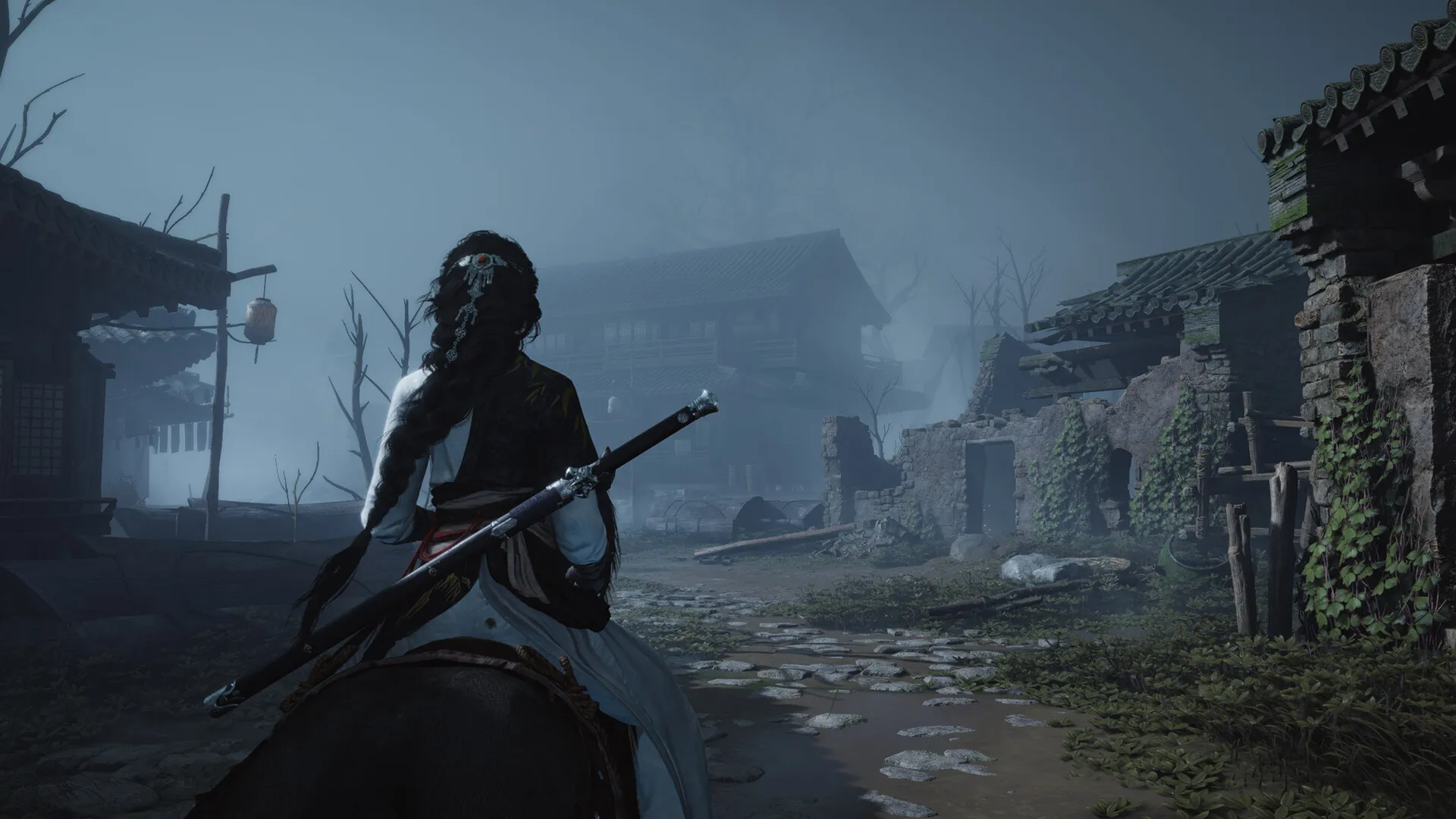
Understanding the Core Loop: Flow, Momentum, and Counterplay
At its core, combat revolves around flow and interruption. While some games lock the player into committed animations, Where Winds Meet encourages constant adaptation. A player may launch a flurry of blade strikes but must be ready at any moment to switch stance, redirect a blow, or counter an unexpected strike.
Momentum plays a key role. Attacks build rhythm, and enemies respond with counter-rhythm. The player must watch body movements, foot placement, and weapon angles to predict the next attack. This creates a dance-like loop where offense and defense merge into one unified flow.
Counterplay elevates the system further. Parries are crucial and rely on reading animations, not UI prompts. The game rewards players who observe breathing patterns, stance shifts, and enemy tempo. These fine details allow skilled fighters to anticipate attacks with near-perfect accuracy, creating a satisfying mastery curve.
Stance Switching: The Heart of Wuxia Combat
Stance switching is one of the game’s most defining features. Rather than swapping “weapon modes,” the player transitions between martial stances designed for different tactical scenarios.
Each stance offers:
• Unique attack strings
• Different parry windows
• Variable movement flow
• Distinct Qi expenditure and build-up
Stances may emphasize agility, precision, power, deception, or defense. This flexibility is central to Wuxia narrative authenticity, where martial artists adapt fluidly to counter opponents’ styles. Switching stances mid-combo is possible and encouraged, allowing players to respond instantly to threats.
A stance may excel at opening guards but struggle against heavy strikes. Another may counter charging enemies but be vulnerable to ranged combatants. True mastery requires not only knowing your own stance but predicting when the enemy shifts theirs.
The Role of Parrying and Deflection Mastery
Parrying takes inspiration from classic swordplay but elevates it with Wuxia flair. Instead of relying on rigid timing windows, the system encourages players to consider angle, trajectory, and impact direction. This adds a spatial layer to defense.
A successful parry does more than negate damage. It may:
• Break enemy posture
• Open critical strike windows
• Cancel incoming combos
• Redirect momentum against the attacker
Experienced players use parries to control the rhythm of a fight. Poor timing, however, can cause major vulnerability. Parries cost Qi if performed incorrectly, simulating real-world exertion and encouraging precision over spamming.
Deflection is a softer alternative. It redirects force without full counter-attacking potential. Deflection is easier to perform, but its payoff is smaller. Skilled fighters will alternate between both depending on enemy type and combat flow.
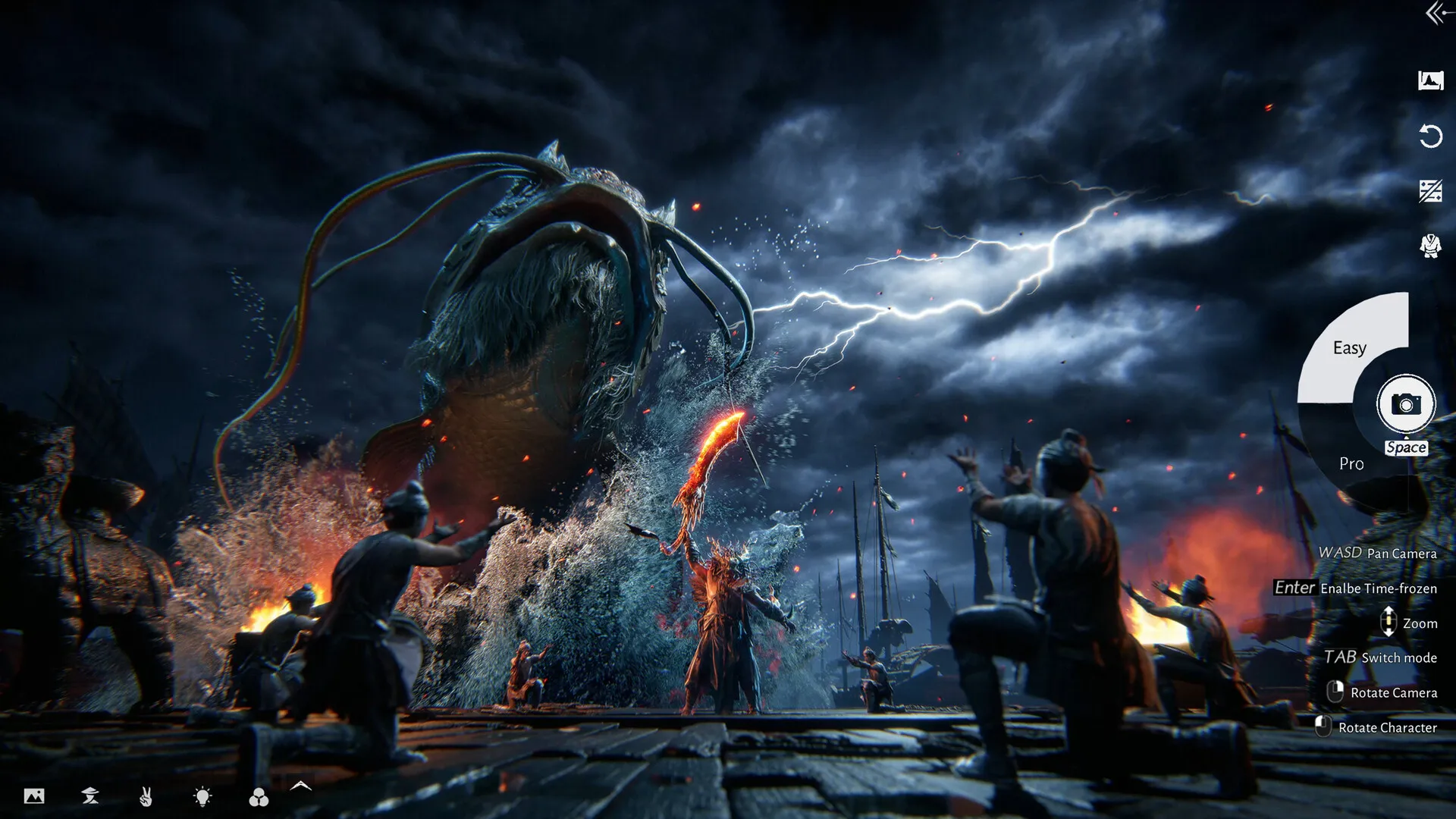
Weapon Styles: A Living Arsenal of Wuxia Techniques
Weapons are not just tools; they are identities. The game showcases a growing arsenal of traditional Chinese arms including jian (straight sword), dao (saber), spear, bow, and unarmed martial arts. Each weapon has its own rhythm, reach, collision behavior, and Qi pattern.
The jian emphasizes elegance and precision.
The dao delivers sweeping, powerful slashes.
The spear brings reach, thrusting pressure, and crowd control.
Unarmed combat uses grappling, pressure points, and flow-breaking strikes.
Each weapon interacts uniquely with enemy armor types, materials, and stamina systems. Spears can break defensive lines. The dao can cut through shield users. The jian excels against agile foes who rely on dodges rather than blocks.
Weapon mastery comes not only from using them but understanding how opponents wield them. Enemy fighters follow the same rules as the player, creating a symmetrical combat ecosystem.
Qi Management: Energy, Spirit, and Combat Psychology
Qi is not magic; it is concentration, breath, and intention. Qi powers bursts of speed, special techniques, stance shifts, and martial counters. It is both a resource and a representation of mental focus.
Qi management introduces multiple strategic layers:
• Overusing Qi leaves the player exhausted
• Maintaining Qi equilibrium increases parry stability
• High Qi allows access to advanced techniques
• Low Qi forces defensive stances and retreat
Qi is gained through rhythmic play — properly timed hits, controlled breathing animations, and moment-to-moment discipline. This encourages players to fight calmly and deliberately rather than spamming attacks. Qi also interacts with environmental factors, adding situational depth to combat decisions.

Environmental Interactions: Fighting with the World, Not Just Your Weapon
Where Winds Meet treats the environment as a dynamic partner in combat. Characters can leap off trees, kick off walls, dash across water surfaces, or use objects in the battlefield as improvised weapons.
H3: Examples of Confirmed Environmental Use
• Using Qinggong to dash between surfaces
• Running up vertical walls to reposition
• Kicking chairs or debris at enemies
• Using rooftops for aerial strikes
H4: Why This Matters
This creates a layered battlefield where verticality, terrain, and objects all influence strategy. A narrow bridge forces precision. A bamboo forest enables ambushes. Rooftops create aerial maneuver opportunities. Mastery requires situational awareness, not just mechanical skill.
Enemy AI: Reading Your Moves as You Read Theirs
Enemy behavior is designed to match the complexity of player mechanics. AI fighters have access to stances, counters, and Qi behavior. They analyze the player’s rhythm, adapting attacks around patterns you repeat too often.
Some enemies:
• Switch stance mid-fight
• Bait parries with delayed strikes
• Use terrain to retreat
• Call reinforcements dynamically
• Exploit openings in the player’s momentum
This creates a reactive battlefield where intelligence matters as much as speed. Every duel becomes a conversation between two martial thinkers. Mistakes are punished quickly, reinforcing the need for adaptation rather than memorization.
The Psychological Component: Fear, Confidence, and Control
Martial arts in Where Winds Meet are not purely physical. Combat has a psychological dimension that influences how enemies react to you. Demonstrating overwhelming mastery causes weaker foes to falter. Show hesitation, and aggressive opponents press harder.
Confidence influences Qi generation and parry stability. Fear disrupts stance transitions. This subtle system replicates the mental game often present in martial arts stories, where battles are decided before blades ever meet.
Players who stay calm under pressure gain mechanical benefits. Those who panic lose flow and become predictable. This psychological dimension elevates fights beyond simple hit trades, making every duel a test of composure.
The Future of the Combat System and Its Growth Potential
Where Winds Meet’s martial arts philosophy is ambitious — perhaps more ambitious than any open-world Wuxia game before it. Its biggest strength lies in how systems interlock: stances complement weapons, Qi shapes defense, environment shapes movement, and AI reacts intelligently.
This interconnection provides enormous potential for expansion:
• New stances could redefine combat entirely
• Advanced Qi techniques might deepen timing systems
• Additional weapon categories could reshape meta
• Co-op or PvP modes could transform mastery expectations
The system grows as the player grows. Its design encourages long-term study, experimentation, and refinement. This philosophy, rooted in Wuxia, ensures combat never becomes static or predictable.
Conclusion
The martial arts combat philosophy of Where Winds Meet is not just a feature; it is the core identity of the game. It blends Wuxia tradition with modern action design, creating a system rich in momentum, fluidity, and tactical depth. Through stances, Qi, physics, environmental improvisation, and intelligent AI, combat becomes a powerful expression of player mastery. Every duel is a test of discipline and understanding, mirroring the spiritual and physical journey of a true martial artist.
Whether the player fights with jian, dao, spear, or bare hands, the path to mastery is the same: observe, adapt, and respect the philosophy behind the blade.