


When Star Wars Outlaws launched, it instantly became one of 2025’s most talked-about releases. Not because it reinvented the wheel, but because it delivered something the Star Wars universe had rarely embraced at scale: a grounded, morally fluid, open-world criminal adventure. Rather than following Jedi legends or grand Sith conspiracies, it placed players in the boots of a scoundrel navigating syndicates, black markets, imperial scrutiny, and the unpredictable economy of an empire-ruled galaxy.
As updates throughout 2025 refined systems, polished faction interactions, expanded heist depth, and tightened narrative pacing, Outlaws evolved from a bold experiment into a defining entry in modern Star Wars gaming. This feature examines how the game changed post-launch, why it works, and what its future updates signal for the franchise.
A New Kind of Star Wars Story
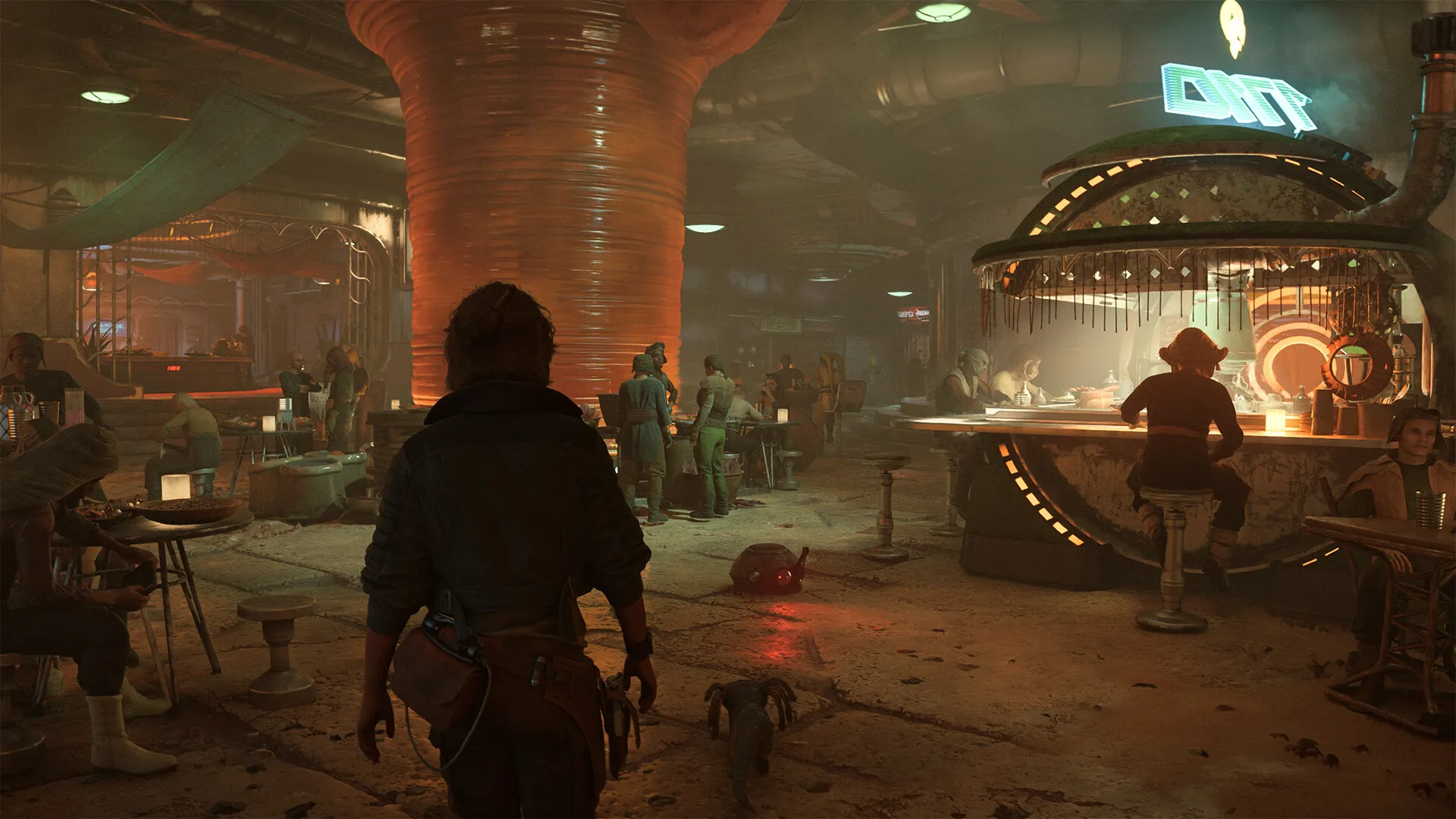
Unlike past titles centered on Force-sensitive heroes, Star Wars Outlaws follows Kay Vess—thief, hustler, outlaw—and her adorable yet invaluable companion Nix. Their story isn’t one of prophecy; it’s survival. Set between The Empire Strikes Back and Return of the Jedi, Kay’s world is defined by opportunity wrapped in danger.
A Character Driven by Choice, Not Destiny
Kay isn’t destined to save galaxies. Her decisions arise from desperation, loyalty, fear, and ambition. Her narrative systems emphasize small consequences: a stolen crate, a botched bribe, an overheard Imperial broadcast. These details accumulate into faction reputations that reshape how Outlaws’ world responds.
Heists as Narrative Anchors
Unlike linear missions, heists in Outlaws combine strategy, stealth, negotiation, and improvisation. Scouting metal detectors, bribing guards, disabling alarms, coordinating with Nix—every choice influences the outcome. Post-launch updates in 2025 improved enemy pathing and security variations, creating more replayable opportunities.
A Ground-Level View of the Galaxy
From the gritty cantinas of Kijimi to wild frontier towns in the Outer Rim, the environments balance Star Wars charm with criminal underbelly realism. No single mission feels disconnected; each location contributes personality and rumor trails that enrich Kay’s journey.
The 2025 Updates That Changed Everything
While the base game impressed, it was the 2025 updates that shaped Outlaws into a more dynamic sandbox.
Faction AI and Diplomacy Rework
Earlier versions of the game featured predictable faction behavior. The 2025 rework introduced:
dynamic patrol logic
variable hostility thresholds
multi-stage negotiation outcomes
cross-faction tension escalation
Syndicates now react more believably. Helping the Pykes might anger the Hutts, spark a retaliatory ambush, or trigger a lucrative counter-offer.
Smuggling 2.0
Smuggling missions originally felt formulaic. The update redesigned them around layers of risk:
scanning arcs with randomized Imperial patrols
contraband durability
ship-specific cargo bonuses
border agents with rotating corruption levels
Smuggling now feels like a gamble—one mistake, and the Empire might disable your ship mid-jump.
Heist Complexity Expanded
Heists now allow:
multi-floor infiltration
light-based stealth tracking
infiltration disguises with time limits
backup escape routes revealed through rumor networks
These changes expanded the strategic depth of Kay’s operations.
The Open Galaxy as a Living Economy
Star Wars Outlaws introduces an economy based on fluctuating black-market demands, scarcity events, and faction-controlled trade routes.
Dynamic Markets
Contraband prices shift depending on:
Imperial crackdowns
syndicate wars
planetary shortages
smuggler guild discoveries
Trades that were safe yesterday might be suicide today.
Ships as Economic Tools
Kay’s ship—the Trailblazer—received additional upgrade paths in 2025:
cargo compression units
thermal masking modules
illegal scanning scramblers
modular hidden compartments
These upgrades deepen both smuggling and exploration.
Worlds That Tell Stories Without Words
Ubisoft’s world design team refined planet environments with environmental storytelling over overt exposition.
Kijimi’s Frozen Shadows
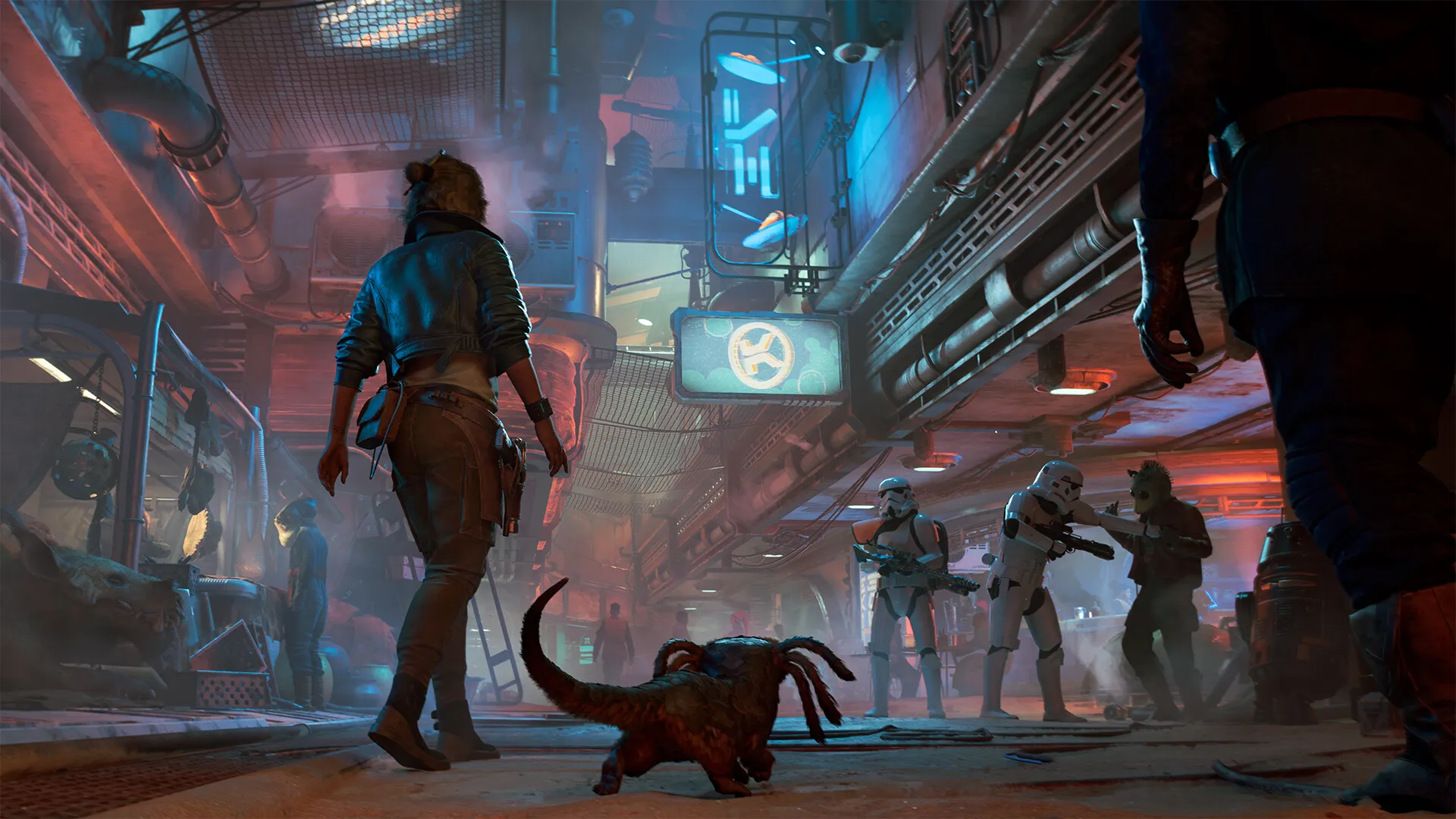
Narrow streets with flickering neon, masked patrols, refugees huddled in basements—Kijimi’s oppressive atmosphere tells a story of occupation and despair.
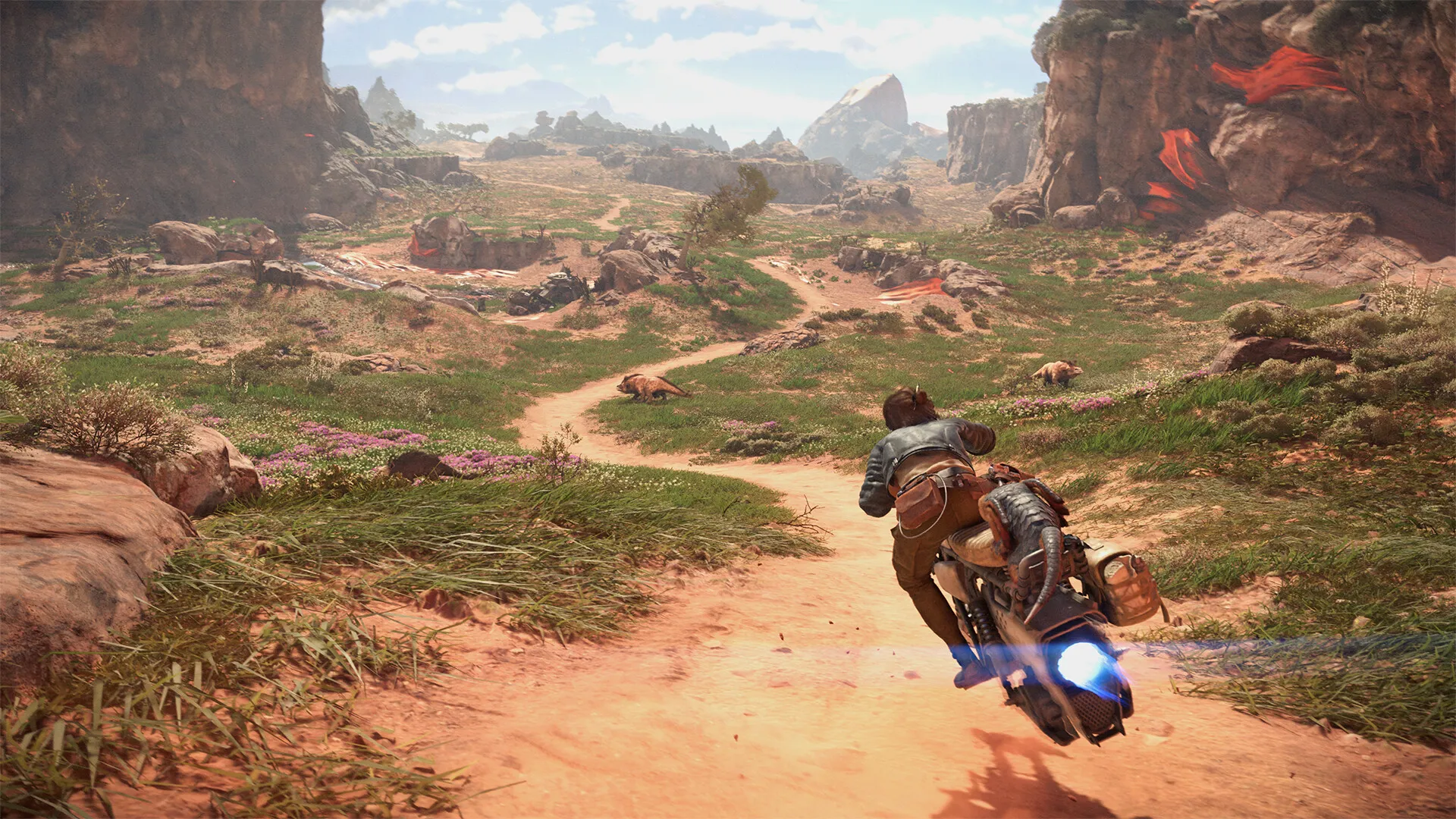
Toshara’s Desert Frontiers
Wind-carved canyons hide outlaw caches. Wildlife hunts scavengers. Traders whisper about syndicate disputes that could explode into regional wars.
Canto Bight’s Player-Dependent Fate
Canto Bight’s status changes based on Kay’s dealings. Support the wrong faction and its casino district might shift from glamour to martial law.
Companionship as Core Gameplay: Nix Evolved
Nix is more than a mascot; the 2025 update transformed him into a fully integrated tactical partner.
Expanded Companion Commands
Players gained new commands such as:
sabotage panels
steal keycards
trigger remote distractions
carry micro-heist tools
Nix’s animations also grew more expressive, offering emotional cues during tense encounters.
Tactical Synergy
Kay and Nix now share synergy abilities triggered by stealth streaks or perfect timing. These allow quick takedowns, silent gadget boosts, or instant signal jamming.
Combat Refined Through Feedback
Outlaws never intended to be a pure shooter, but 2025’s combat refinements improved pacing.
Weapon Accuracy Rebalance
Blasters now follow heat-based recoil patterns. Gadgets like EMP darts and destabilizers were redesigned to reward creativity over raw firepower.
Cover and Mobility
Cover transitions were smoothed, enemy flanking was upgraded, and gadgets like grappling boosters provided more mobility options.
Boss Encounters
Bosses now feature:
multi-stage behaviors
faction-based reinforcements
combat puzzle elements relying on Nix
This aligns combat sequences with the game’s heist-oriented tone.
The Reputation System as the Game’s Moral Compass
Kay’s reputation system forms the backbone of Outlaws’ emergent storytelling.
A Reputation That Actually Matters
Every action influences syndicate standing through:
silent reputation ticks
visible district chaos meters
NPCs altering greetings, prices, and mission offers
This system gives weight to even mundane decisions.
Betrayal, Loyalty, and Survival
Players who betray a syndicate too often may face:
assassin squads
blockaded docks
contraband embargoes
Loyalty yields safehouses, discounts, and high-tier missions.
The Empire’s Long Shadow
Imperial interest adapts to Kay’s infamy. High heat levels summon elite interceptors or troopers deploying jammers that block escape routes.
A Story Rooted in Gray Morality
The narrative highlights themes rarely explored in Star Wars games: distrust, scarcity, exploitation, and the fragility of survival.
Kay as a Flawed yet Relatable Hero
Kay lies, steals, bargains, improvises—yet her choices feel human. She’s guided by emotion, not heroic destiny.
Syndicates as Characters
Each syndicate exhibits personality through architecture, slang, combat style, and visual motifs. The Pykes feel precise and ritualistic, while the Hutts lean into excess, brutality, and operatic greed.
The Human Cost of the Empire
Instead of treating the Empire as faceless villains, Outlaws depicts a machinery of control where small decisions lead to massive civilian consequences.
Exploration as Quiet Narrative
Between major heists, exploration moments offer intimate storytelling.
Cantina Rumor Systems
Bartenders spread intel based on Kay’s deeds. A rumor may reveal a backdoor into a heist location or a forgotten cargo pod drifting near an asteroid belt.
Abandoned Outposts
Some areas provide no mission markers. Instead, players discover dead smugglers, coded messages, or half-finished escape plans.
Wildlife as Worldbuilding
Regional wildlife reacts to Kay’s scent, noise, or Nix’s presence, adding both beauty and danger to open zones.
Community Reception and 2025 Legacy
Star Wars Outlaws stands as a major win for story-driven open worlds.
Praise From Critics and Players
Players praised:
the grounded criminal tone
strong writing
refined 2025 updates
the vibrant faction systems
Critics highlighted how the game captured the feeling of “lived-in Star Wars.”
Critiques and Lessons Learned
Some felt the early-game pacing was slow or that Imperial encounters became repetitive before the 2025 overhaul. Ubisoft addressed most concerns through patches, smoothing the experience.
Influence on Future Star Wars Titles
Outlaws’ success could shape future projects:
more scoundrel-focused narratives
branching faction reputations
dynamic world ecosystems
deeper companion mechanics
Conclusion
Star Wars Outlaws is more than a detour from Jedi-centric storytelling—it is a bold, grounded reimagining of the Star Wars universe from the perspective of those just trying to survive it. Its 2025 updates refined everything from heist complexity to faction diplomacy, transforming the game into a richer, more reactive open world. Kay Vess’ journey captures the tension, charm, and uncertainty of outlaw life, proving that the galaxy far, far away thrives not only on heroes and villains but on the people in between.