







Introduction
Dating apps promise connection, compatibility, and efficiency. With a few swipes, users can meet people they would never encounter otherwise, filtered by location, interests, and preferences. Yet beneath this convenience lies a deeper transformation: dating apps are not merely facilitating relationships, they are actively reshaping how intimacy, attraction, and self-worth are perceived. This article examines five major dating applications—Tinder, Bumble, Hinge, OkCupid, and Grindr—through one focused lens: how algorithmic matching and interface design subtly redefine human intimacy and emotional decision-making. Rather than general app reviews, this analysis explores how repeated interaction with dating systems alters expectations, behavior, and emotional resilience over time.
1. The Shift From Organic Attraction to Interface-Mediated Desire
Before dating apps, attraction developed through shared environments, repeated exposure, and contextual cues. Dating apps compress this process into seconds.
Profiles replace presence. Photos and short prompts substitute for voice, movement, and situational chemistry. Attraction becomes a rapid visual judgment rather than a gradual emotional discovery.
Why Speed Changes Desire
When attraction is evaluated quickly, users rely on surface indicators, reinforcing snap judgments over emotional curiosity.
2. Tinder and the Commodification of First Impressions
Tinder’s swipe-based interface turns people into sequential options. Each profile is evaluated in isolation, disconnected from context.
This design encourages comparison rather than connection. Users learn to assess desirability through speed, quantity, and pattern recognition.
The Swipe as a Value Signal
Frequent matches inflate confidence; silence diminishes self-worth, regardless of real-world compatibility.
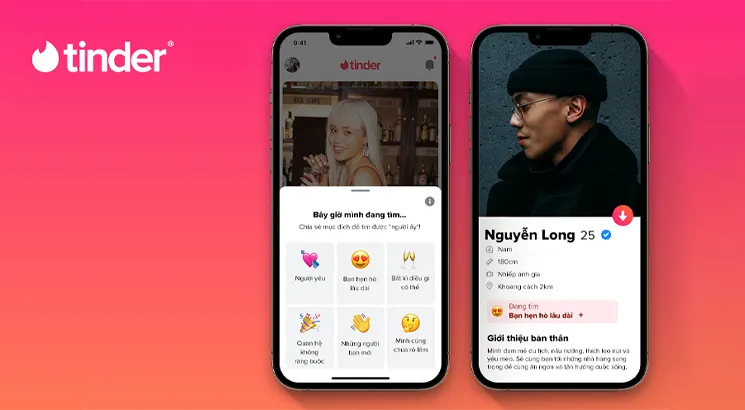
3. Tinder’s Match Feedback Loop and Emotional Conditioning
Matches function as intermittent rewards. The unpredictability of success reinforces repeated engagement.
Over time, users associate validation with matches rather than meaningful interaction. Emotional energy shifts from connection to accumulation.
Common Behavioral Shifts
- Swiping without intent to chat
- Seeking validation over conversation
- Emotional detachment from profiles
4. Bumble and the Redistribution of Conversational Power
Bumble alters traditional dynamics by requiring women to initiate conversations in heterosexual matches.
This shift empowers some users but also introduces new pressure. Initiation becomes obligation rather than choice.
Empowerment With Hidden Costs
Responsibility for momentum can create fatigue and anxiety, especially when effort is not reciprocated.
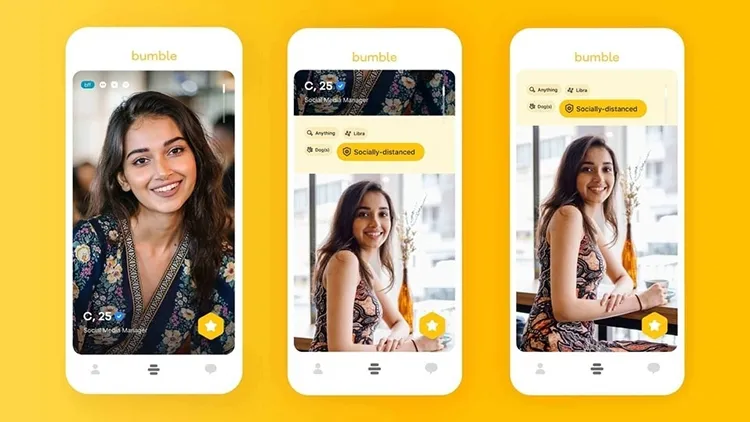
5. Bumble’s Time Limits and Artificial Urgency
Matches expire if no message is sent within a set timeframe.
This creates urgency that may not align with emotional readiness. Users initiate conversations prematurely to avoid loss rather than to express interest.
Effects of Time Pressure
- Forced interactions
- Reduced message quality
- Increased emotional burnout
6. Hinge and the Performance of Emotional Authenticity
Hinge markets itself as relationship-focused, encouraging detailed prompts and thoughtful responses.
However, authenticity becomes performative. Users optimize vulnerability to attract interest, scripting sincerity.
When Authenticity Is Strategized
Genuine expression becomes a tactic rather than a natural emotional state.
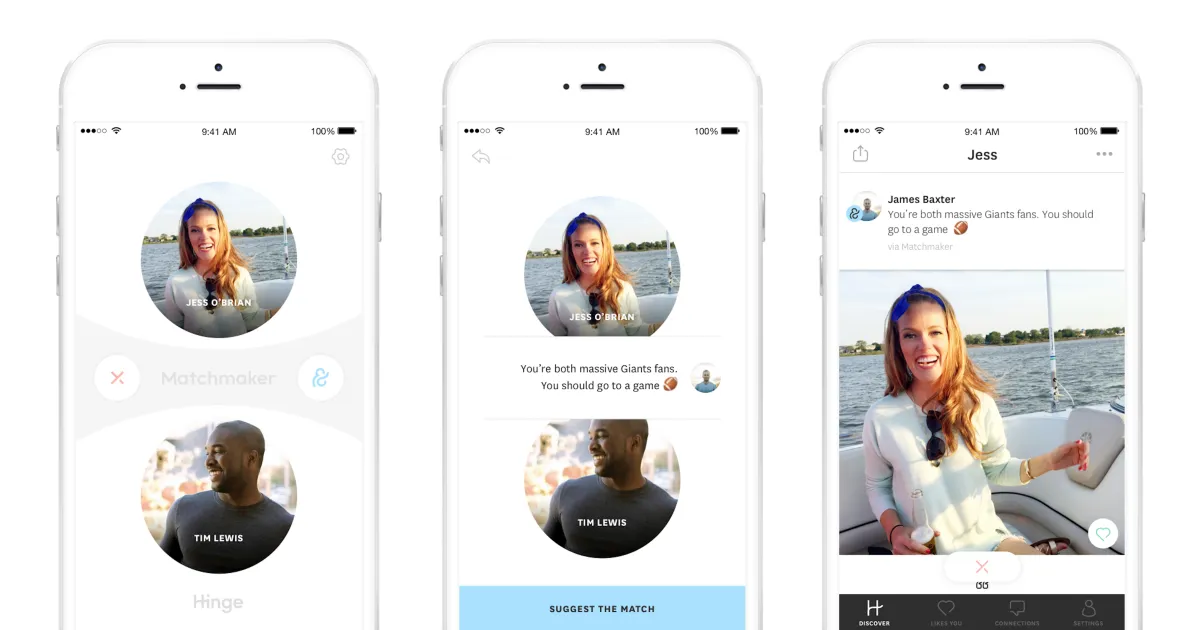
7. Hinge’s Feedback Metrics and Self-Presentation Anxiety
Likes, comments, and response rates quantify desirability.
Users analyze which prompts perform best, adjusting personality presentation accordingly. Identity becomes data-driven.
Psychological Outcomes
- Self-monitoring
- Reduced spontaneity
- Fear of being “uninteresting”
8. OkCupid and the Quantification of Compatibility
OkCupid emphasizes questionnaires and match percentages.
Compatibility becomes numerical, suggesting objectivity. Users may overtrust scores, ignoring emotional nuance or situational fit.
When Math Replaces Mystery
High compatibility creates expectation pressure; low scores discourage exploration.
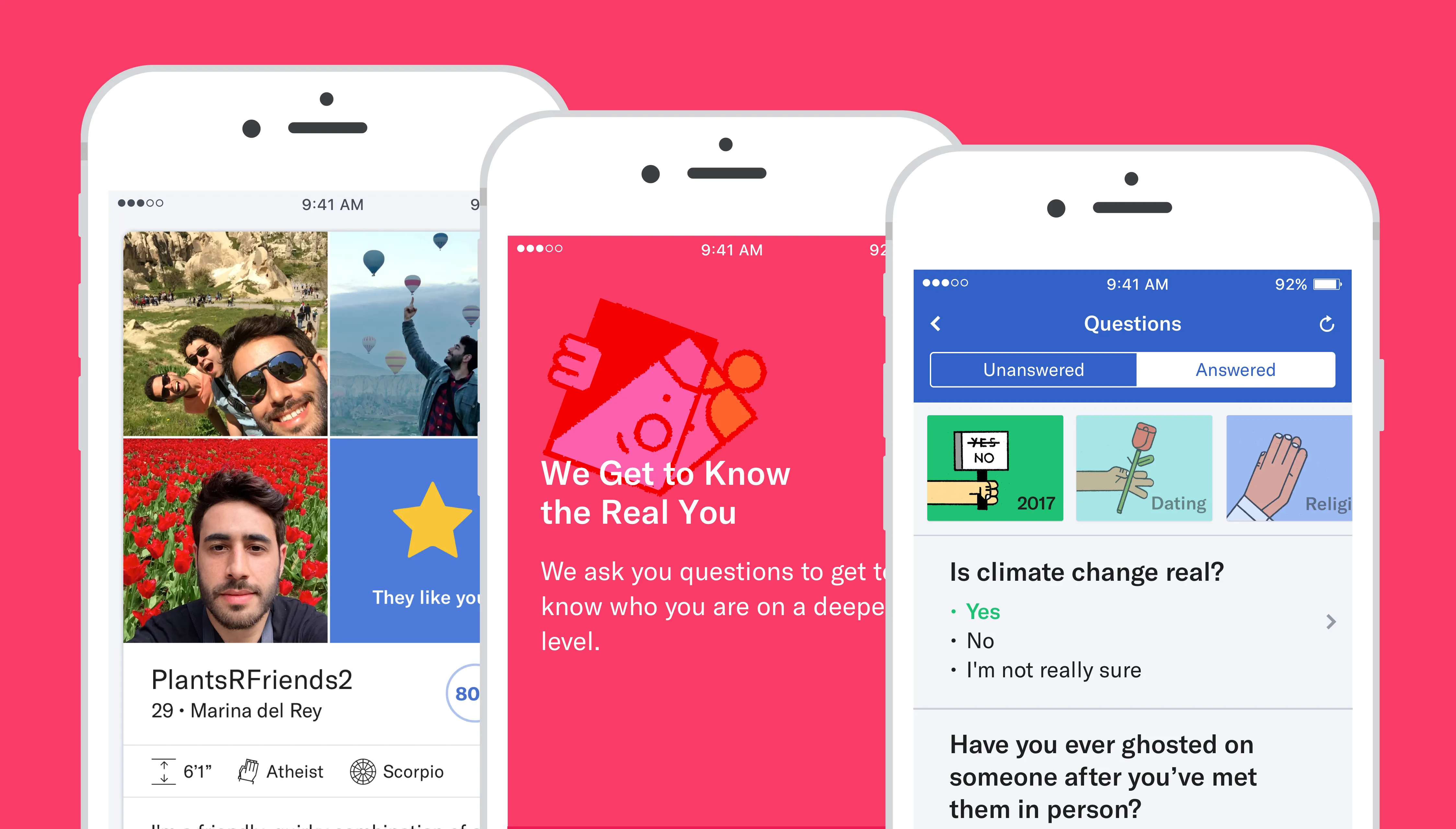
9. OkCupid’s Question Framing and Value Simplification
Complex beliefs are reduced to multiple-choice answers.
This simplifies identity into discrete positions, flattening nuance and discouraging dialogue-based understanding.
Limitations of Quantified Values
- Context loss
- Reduced interpretive flexibility
- Overconfidence in prediction
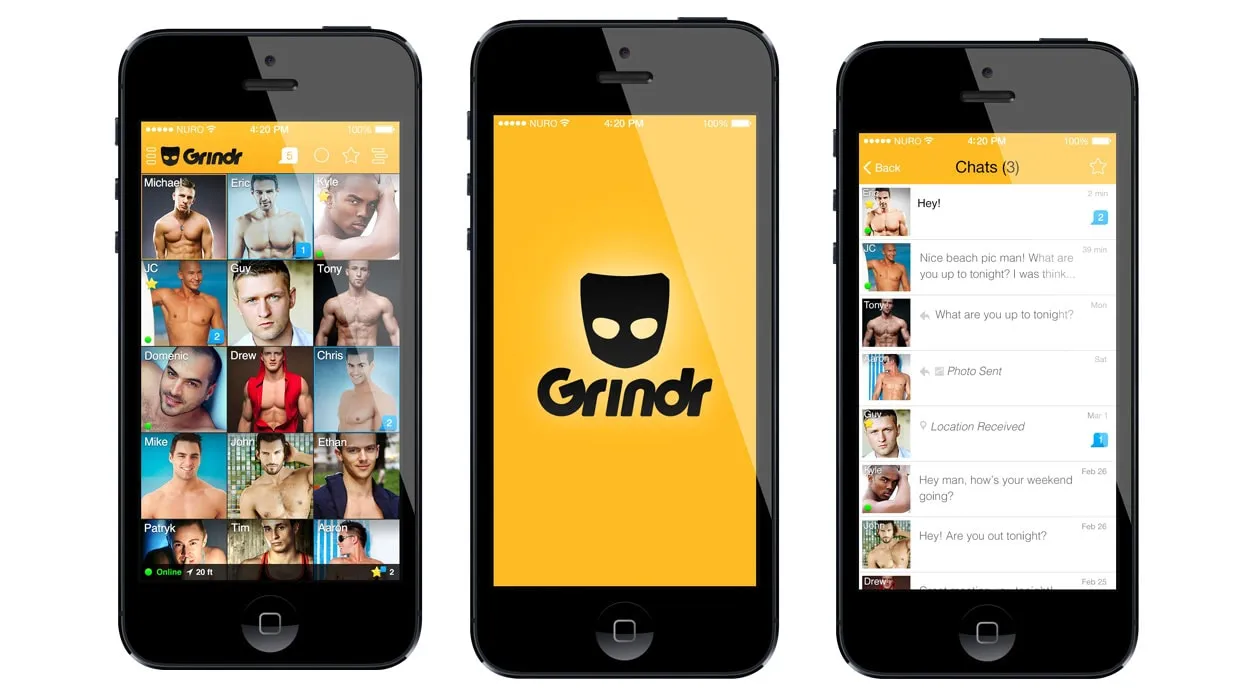
10. Grindr and the Acceleration of Desire Without Emotional Buffering
Grindr prioritizes proximity and immediacy. Profiles are location-based and interaction is fast.
This efficiency removes emotional buffering. Desire becomes transactional, reducing space for emotional calibration.
Speed Without Safety Nets
Rapid connection increases intensity but reduces emotional protection.
Conclusion
Tinder, Bumble, Hinge, OkCupid, and Grindr illustrate how dating apps reshape intimacy through speed, metrics, and algorithmic mediation. These platforms succeed by simplifying choice and maximizing engagement, but they also reframe attraction, validation, and vulnerability. Intimacy becomes optimized, measured, and managed by systems designed for scale, not emotional depth. Understanding these dynamics allows users to engage more intentionally, recognizing where technology supports connection—and where it quietly reshapes it.
160-Character Summary
A deep analysis of five dating apps reveals how algorithms, metrics, and speed subtly reshape attraction, validation, and modern intimacy.