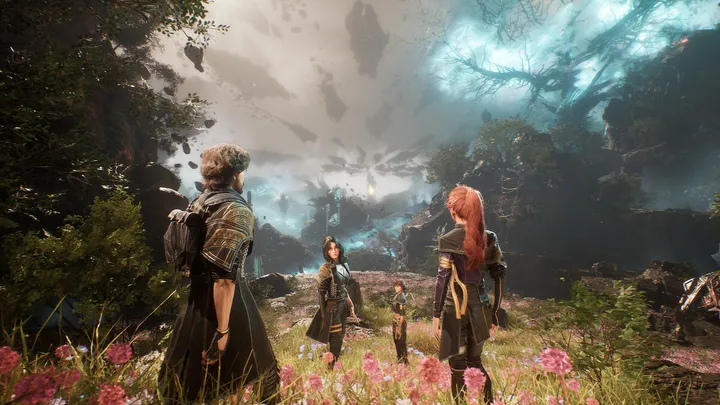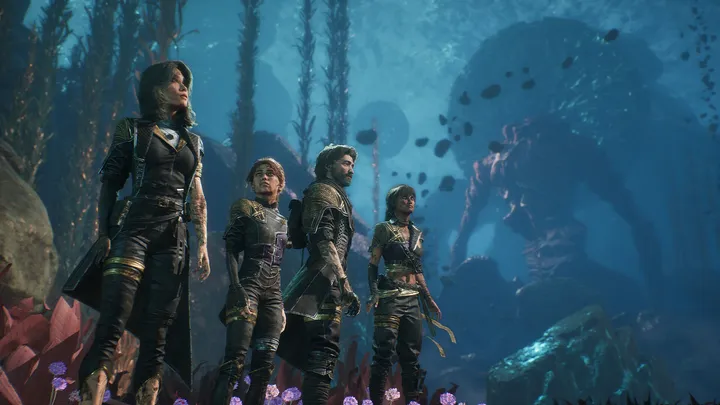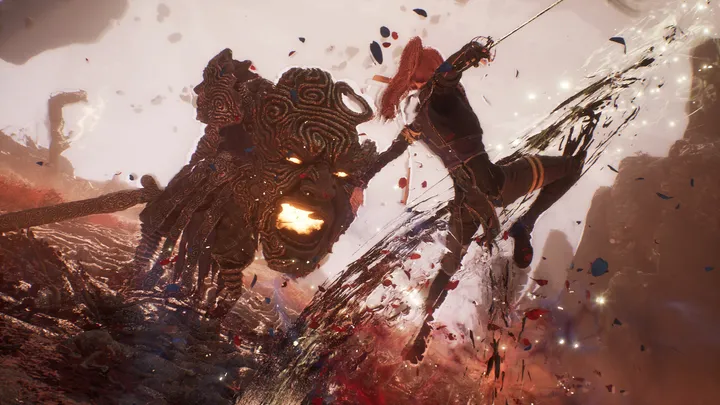



Clair Obscur: Expedition 33 is a distinctive role-playing game that blends turn-based combat, real-time mechanics, surreal storytelling, and artistic world design. Unlike traditional RPGs that rely purely on numbers and menus, this game challenges players to think tactically, react precisely, and understand its deeper narrative systems. Success is not about grinding endlessly, but about learning how the world works and how each expedition decision affects survival.
This guide explains how to play Clair Obscur: Expedition 33 effectively, starting from the opening moments and progressing toward mastery. It is designed for both newcomers and experienced RPG players who want to fully understand combat, exploration, character growth, and long-term strategy.
H2 1. How to Understand the World and Core Concept of Expedition 33
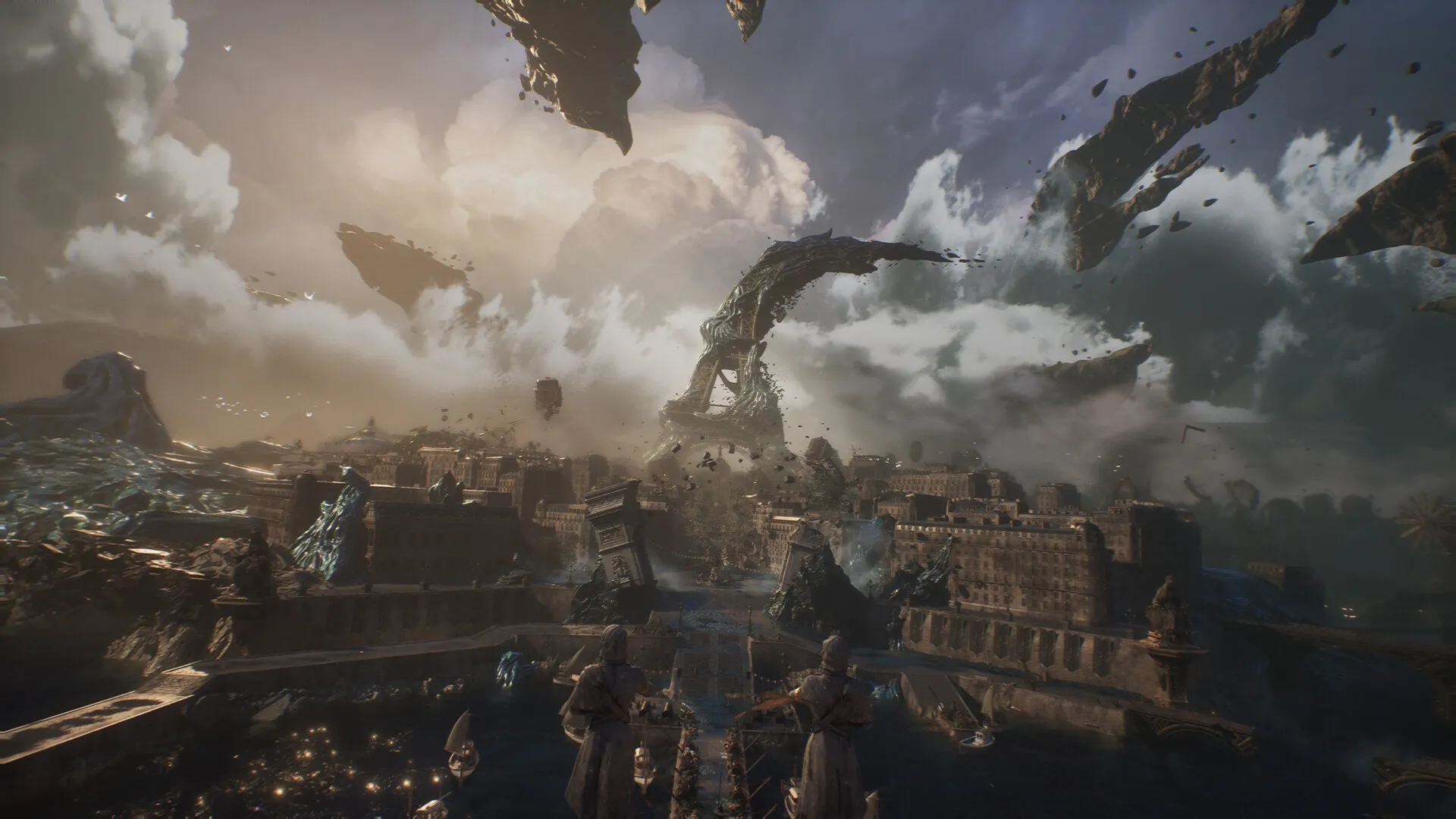
Before mastering mechanics, you must understand the world you are entering. Clair Obscur is built around a cyclical expedition system where each journey carries weight, consequence, and risk. The narrative revolves around time, inevitability, and resistance against fate.
Every expedition is finite. Characters age, disappear, or fail if decisions are poorly made. This design forces players to think long-term rather than rushing objectives. Understanding this structure early prevents frustration later.
H3 Narrative-Driven Gameplay
Story progression and gameplay systems are tightly connected.
H4 Key Concept to Remember
You are not meant to save everyone—only to choose wisely.
H2 2. How to Start Your First Expedition Correctly
The early hours define your entire playthrough. Your first expedition teaches basic systems, but also quietly tests decision-making. Many players fail by treating the opening like a tutorial-only phase.
Choose your starting loadout carefully and observe how enemies behave. The game rewards patience and observation rather than aggressive experimentation.
H3 Early-Game Survival Principles
Avoid unnecessary battles and preserve resources.
H4 Beginner Mistakes to Avoid
Overextending, ignoring dialogue clues, and wasting abilities.
H2 3. How to Master the Hybrid Combat System
Combat in Clair Obscur is a hybrid of turn-based planning and real-time execution. Timing-based actions, counters, and precision inputs matter just as much as stats.
Each encounter is designed like a puzzle. You must learn enemy patterns, attack windows, and vulnerability states. Spamming attacks rarely works.
H3 Combat Flow Explained
Plan actions, then execute them precisely.
H4 Combat Success Checklist
- Perfect timing
- Status effect awareness
- Defensive positioning
H2 4. How to Use Characters and Party Roles Effectively
Every character in Expedition 33 has a distinct identity, mechanically and narratively. Roles are not rigid classes but flexible archetypes shaped by player choices.
Balancing offense, defense, and support is critical. A poorly balanced party may survive early fights but collapse during extended encounters.
H3 Party Role Types
- Damage dealers
- Control specialists
- Sustain and support units
H4 Party Synergy Tip
Combine abilities that trigger chain reactions.
H2 5. How to Manage Time, Aging, and Consequences
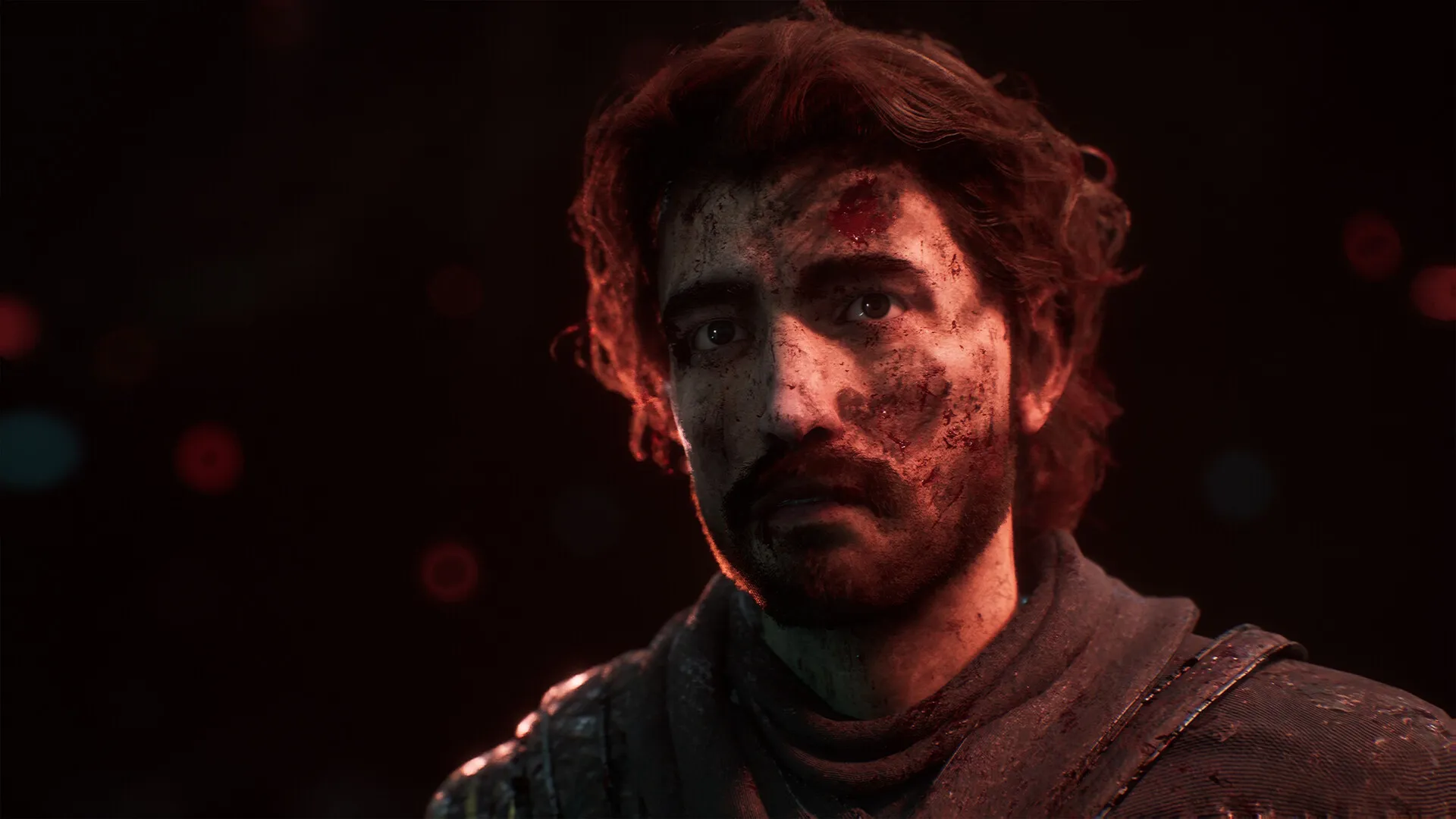
Time is the most unique mechanic in Clair Obscur. Characters age as expeditions progress, and aging directly affects stats, abilities, and survival chances.
You must decide when to push forward and when to retreat. Every delay carries opportunity cost. Time management becomes a strategic layer beyond combat.
H3 Aging Mechanics Explained
Older characters gain wisdom but lose physical resilience.
H4 Strategic Time Decisions
Know when to sacrifice progress to preserve key members.
H2 6. How to Explore and Discover Hidden Content
Exploration is not about filling maps but uncovering meaning. Optional paths often reveal lore, powerful upgrades, or alternate narrative outcomes.
Pay attention to environmental clues, unusual landmarks, and recurring symbols. Many secrets are hidden in plain sight.
H3 Exploration Rewards
Lore fragments, rare items, and alternate endings.
H4 Exploration Strategy
Revisit areas after gaining new abilities.
H2 7. How to Upgrade Skills and Customize Builds
Character progression in Clair Obscur is subtle but deep. Upgrades are limited, making every choice significant. There is no universal “best build.”
Focus on complementing your playstyle and party composition. Defensive builds can outperform aggressive ones in long expeditions.
H3 Upgrade Priorities
Survivability often matters more than raw damage.
H4 Build Planning Advice
Specialize rather than spreading upgrades thin.
H2 8. How to Handle Boss Fights and Major Encounters
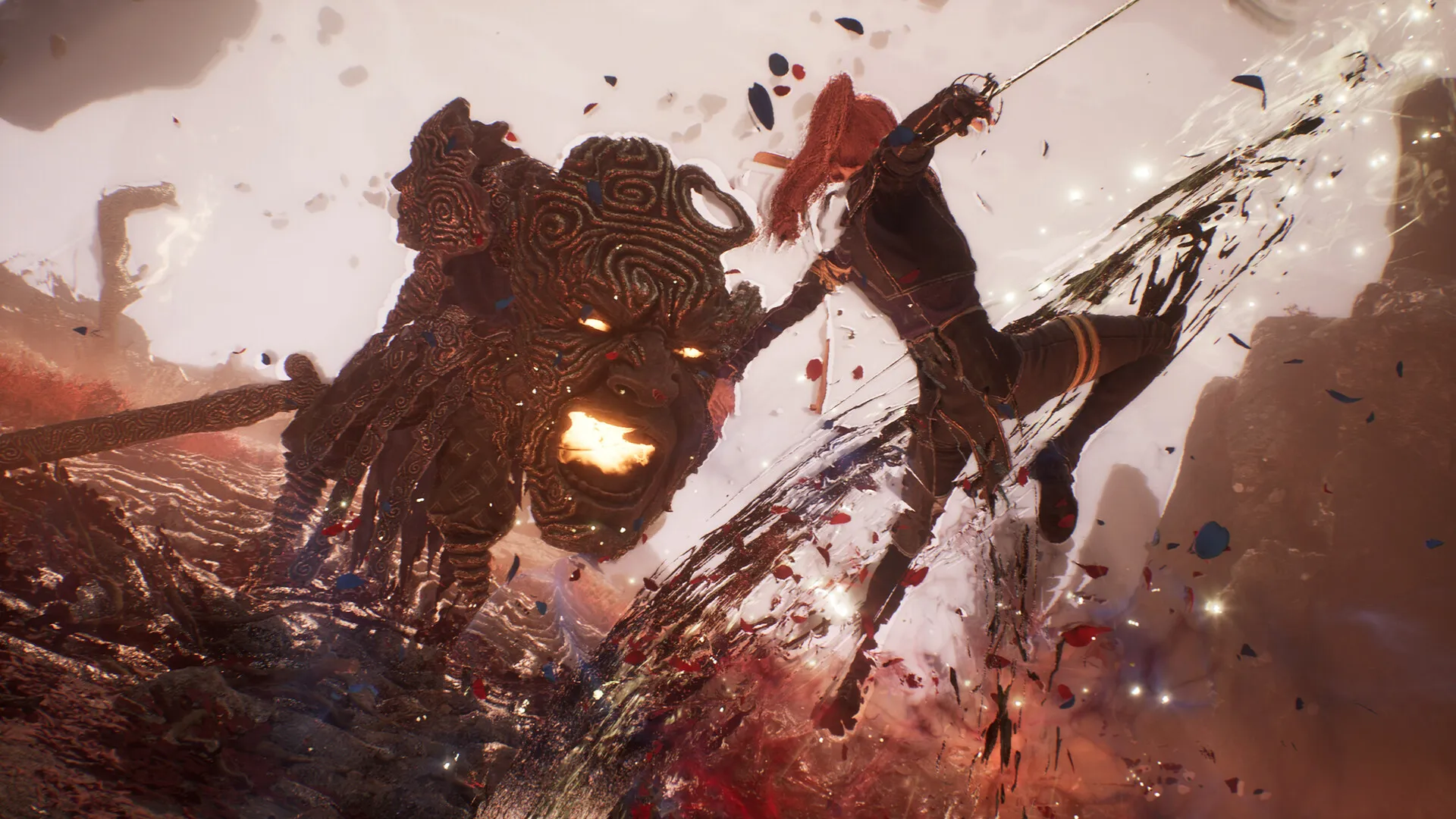
Bosses in Expedition 33 are designed as narrative and mechanical milestones. They test everything you have learned so far.
These fights demand pattern recognition, resource conservation, and emotional control. Losing is part of learning.
H3 Boss Fight Preparation
Study patterns before committing resources.
H4 Boss Fight Mistakes
Panicking and abandoning strategy mid-fight.
H2 9. How to Make Narrative Choices That Matter
Choices in Clair Obscur are rarely obvious. The game avoids clear morality systems and instead focuses on consequence.
Some decisions seem minor but echo across expeditions. Others force irreversible outcomes that define the story’s tone.
H3 Choice Evaluation Method
Ask what you are willing to lose.
H4 Narrative Insight
There are no perfect endings—only meaningful ones.
H2 10. How to Complete the Game and Pursue Mastery
Finishing the main story is not the end. Clair Obscur encourages replaying with new knowledge, strategies, and perspectives.
True mastery comes from understanding systems deeply enough to manipulate outcomes intentionally rather than reactively.
H3 Endgame Opportunities
Alternate endings and optimized expeditions.
H4 Mastery Mindset
Learn from failure rather than avoiding it.
Clair Obscur: Expedition 33 is a rare RPG that respects player intelligence and emotional engagement. Mastery is not about speed or perfection, but about thoughtful decision-making, strategic sacrifice, and understanding the weight of time. By learning how combat, aging, exploration, and narrative choices interconnect, players can fully appreciate the game’s depth and artistry. Those who embrace its philosophy will find not just a game, but a lasting experience.