





Wuthering Waves is an open-world action RPG that blends fast-paced combat, deep character systems, and a mysterious post-apocalyptic world filled with echoes, anomalies, and powerful enemies. Unlike traditional RPGs, success in Wuthering Waves depends on timing, adaptability, and understanding layered systems such as Resonators, Echoes, stamina flow, and environmental combat. This is not a game where raw stats alone guarantee victory—player skill and strategic preparation matter just as much.
This guide explains how to play Wuthering Waves effectively, starting from the moment you begin your journey and progressing step by step toward advanced combat mastery and long-term optimization. Whether you are new to action RPGs or experienced with similar games, this article will help you build strong habits and avoid common mistakes.
H2 1. How to Begin Your Journey the Right Way
Your first hours in Wuthering Waves are about orientation, not speed. The game introduces movement mechanics, exploration tools, and combat basics quickly, but many players rush through tutorials and miss important details. Take time to learn how dodging, parrying, and aerial movement function, as these skills remain essential throughout the entire game.
Early exploration also teaches you how the world reacts to your presence. Enemies respond to sound, vertical positioning, and elemental interactions. Understanding this early reduces frustration later when fights become more complex and punishing.
H3 Focus on Learning, Not Rushing
Progression will come naturally if you prioritize understanding mechanics instead of skipping them.
H4 Early Priorities
- Complete tutorial challenges
- Practice dodge timing
- Learn enemy attack patterns
H2 2. How to Understand Combat Fundamentals
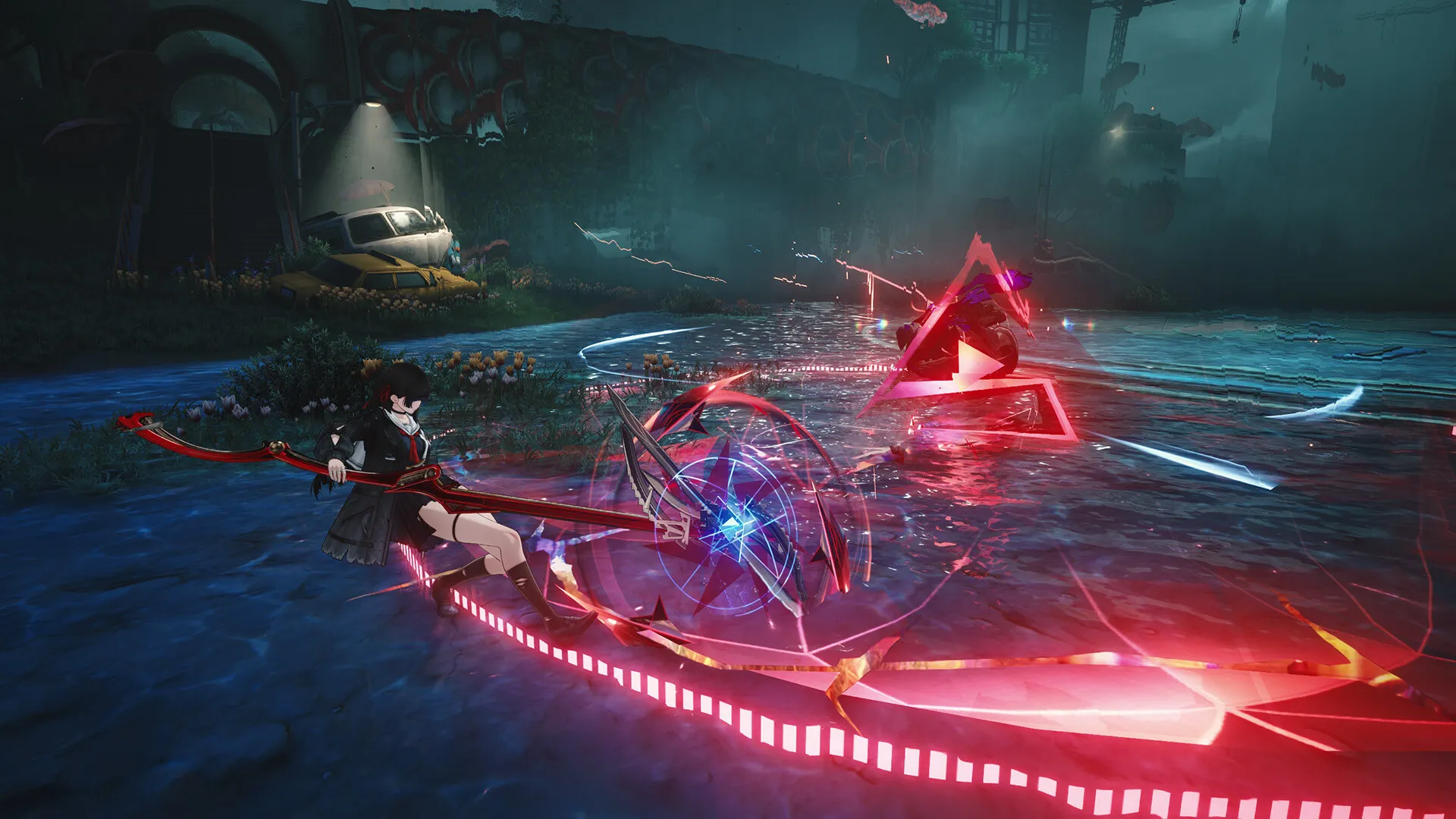
Combat in Wuthering Waves emphasizes fluidity, precision, and reaction. Attacks chain together smoothly, but reckless button-mashing quickly leads to punishment. Every enemy has telegraphed moves, and the game rewards players who read animations carefully.
Dodging at the correct moment triggers enhanced effects, while parrying interrupts enemy combos. These systems turn defense into offense, allowing skilled players to control the flow of battle.
H3 Master Dodge and Parry Timing
Perfect dodges slow enemies briefly, creating damage windows.
H4 Combat Awareness Tips
- Watch enemy shoulders and weapons
- Listen for audio cues
- Keep stamina above emergency levels
H2 3. How to Choose and Build Your First Resonators
Resonators are the heart of your combat experience. Each character has a distinct playstyle, elemental affinity, and role within a team. Early on, focus on characters that feel intuitive rather than chasing raw damage numbers.
Building Resonators properly means understanding scaling stats, skill cooldowns, and energy generation. Investing in one or two core characters early yields better results than spreading resources too thin.
H3 Roles Explained
- Main DPS: stays on field
- Sub DPS: quick swap damage
- Support: buffs, healing, control
H4 Early Investment Strategy
Choose one main DPS and one flexible support to carry early content.
H2 4. How to Explore the World Efficiently
Exploration in Wuthering Waves is vertical, fast, and rewarding. Grappling, wall-running, and aerial traversal open multiple paths through the environment. Instead of following roads strictly, experiment with climbing and jumping to discover hidden routes.
Exploration yields Echoes, upgrade materials, and lore, all of which contribute to progression. However, stamina management is crucial—running out in mid-air or during combat can be fatal.
H3 Exploration Habits
Pause often to scan terrain and enemy placement.
H4 Exploration Rewards
- Hidden Echoes
- Resource caches
- World-building fragments

H2 5. How to Use Echoes Effectively
Echoes are a defining system in Wuthering Waves. They provide active abilities and passive stats, essentially functioning as both equipment and combat tools. Choosing the right Echoes dramatically changes your performance.
Do not equip Echoes based solely on rarity. Synergy with your Resonator’s kit matters far more than raw numbers. Learn Echo activation timing and use them tactically, not randomly.
H3 Echo Types
- Damage-focused Echoes
- Utility and control Echoes
- Defensive and sustain Echoes
H4 Optimization Tips
Test Echo abilities in combat to learn their true value.
H2 6. How to Manage Resources and Progression
Wuthering Waves features multiple currencies and upgrade materials, and mismanaging them slows progress significantly. Early resources are limited, so every upgrade decision matters.
Avoid upgrading everything immediately. Focus on characters you actively use and gear that provides clear benefits. Long-term efficiency comes from patience and planning.
H3 Resource Priorities
- Character level
- Core skills
- Weapon upgrades
H4 Common Mistakes to Avoid
Upgrading unused characters drains progress unnecessarily.
H2 7. How to Build Strong Team Synergies
Team composition plays a massive role in high-level content. Elemental reactions, buffs, and swap mechanics allow teams to deal far more damage together than individually.
Learn quick-swap combat to trigger abilities efficiently. Proper rotation keeps pressure on enemies while minimizing downtime and risk.
H3 Team Composition Basics
Balance damage, support, and survivability.
H4 Rotation Example
Apply debuff → burst damage → sustain or heal → repeat.
H2 8. How to Survive Bosses and Elite Enemies
Boss fights in Wuthering Waves are skill checks. They punish greed and reward patience. Bosses have multiple phases, each with new patterns and mechanics.
Observe before attacking. Identify safe windows and resist the urge to overextend. Surviving longer often leads to victory more reliably than aggressive play.
H3 Boss Fight Discipline
Defensive awareness wins fights.
H4 Boss Preparation Checklist
- Proper Echo setup
- Full stamina
- Healing resources

H2 9. How to Approach Endgame Content
Endgame activities test everything you’ve learned. Enemies hit harder, mechanics overlap, and mistakes become costly. Optimization replaces experimentation at this stage.
Focus on refining builds, improving mechanical skill, and understanding encounter design. Endgame success is earned through consistency, not luck.
H3 Endgame Focus Areas
- Damage optimization
- Team synergy
- Mechanical execution
H4 Continuous Improvement
Review failures and adjust builds accordingly.
H2 10. How to Improve Long-Term and Play Like a Veteran
Veteran players develop instincts for timing, positioning, and resource use. Improvement comes from repetition and reflection rather than grinding alone.
Set personal goals, analyze your performance, and remain adaptable as updates introduce new content and balance changes.
H3 Veteran Mindset
Calm decision-making beats raw aggression.
H4 Long-Term Habits
- Practice dodging daily
- Test new builds carefully
- Stay flexible with updates
Wuthering Waves rewards players who respect its systems, master its combat, and adapt to its ever-changing challenges. By learning how to move efficiently, fight intelligently, build Resonators wisely, and manage resources carefully, you transform from a wandering survivor into a true master of this world. The journey is demanding, but every improvement feels earned—and deeply satisfying.